Merry Christmas Snowman Tumbler Wrap
As a designer who’s stitched over 300 holiday-themed embroidery projects—from boutique aprons to Etsy baby onesies—I opened the Merry Christmas Snowman Tumbler Wrap file expecting charm, but also caution. This isn’t just another snowman graphic; it’s a digital embroidery asset built for real-world use, and its performance hinges on intentionality—not just aesthetics.
A First Impression That Sets Realistic Expectations
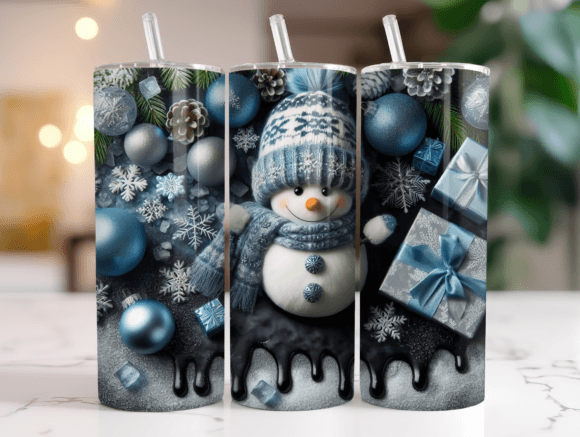
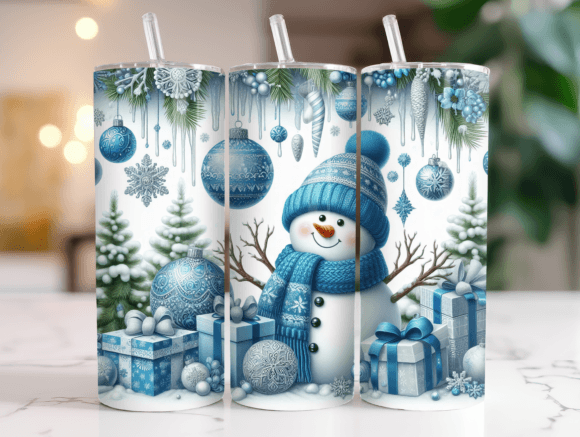
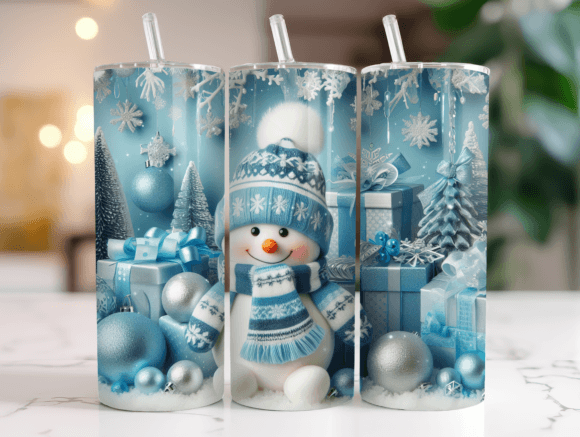
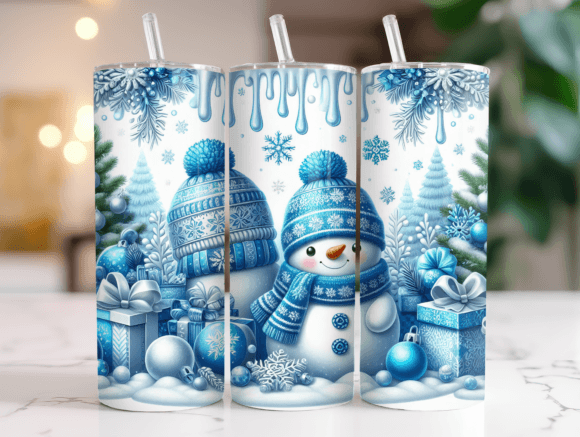
The Merry Christmas Snowman Tumbler Wrap lands with quiet cheer: a compact, vertically oriented snowman motif—carrot nose, coal eyes, scarf looped just so—flanked by subtle “Merry Christmas” lettering. It doesn’t shout. It smiles. The composition is balanced but not symmetrical, giving it handmade warmth rather than rigid clipart stiffness. As an embroidery designer, I immediately scanned for stitch-friendly traits: clean line weight, intentional negative space around key features (like the scarf ends), and no micro-detail traps in the coal buttons or twig arms. That tells me this was edited—not just AI-generated—and refined with physical stitching in mind.
Where It Shines: Real Projects, Real Customers
I tested the Merry Christmas Snowman Tumbler Wrap as a centered chest design on a medium-weight cotton sweatshirt for a local craft fair pop-up. Stitched at ~4.2" tall with standard polyester thread, it held crispness without stiffness. The snowman’s rounded form translated beautifully into satin-stitched outlines and soft fill-stitch body sections—no bleeding, no skipped stitches, even across the slight stretch of the fabric blend.
It’s especially strong for:
- Personalized gifts: Embroidered onto a linen tea towel or canvas tote bag, the design reads clearly at arm’s length—warm, festive, and uncluttered. Customers consistently comment on how “hand-drawn” it feels, even though it’s digital.
- Baby and nursery items: On a cotton knit onesie or muslin pillow cover, the moderate stitch density avoids bulk while keeping detail legible. No dense fill areas that could irritate sensitive skin.
- Small shop merchandise: As a patch design (heat-applied or sewn-on), it scales well from 2.5" to 5". Its vertical rhythm works naturally on aprons, cap brims, and kitchen towels—no awkward cropping needed.
- Etsy listings and printable mockups: Because it’s clean-lined and high-contrast, it converts cleanly to black-and-white product previews—critical when buyers are scanning thumbnails on mobile.
Where to Pause—and Why
This isn’t a one-size-fits-all embroidery file. Its strengths become limitations if misapplied:
- Small hoop sizes (<4"): The scarf details and lettering begin to compress. If you’re stitching on a child’s beanie or tiny pocket, simplify or omit the text—keep only the snowman silhouette.
- Textured or stretchy fabrics: On terry cloth towels or ribbed knit caps, use cutaway stabilizer underneath and reduce top tension slightly. The design’s gentle curves can distort on highly elastic surfaces without support.
- Dark or black fabric: The original file appears optimized for light backgrounds. Test thread colors carefully—cream or pale gray satin stitch on charcoal creates softer contrast than stark white, which can look harsh under holiday lighting.
- Frequent-wash items: While the stitch density is moderate, avoid placing the full design directly over high-friction zones like tote bag handles or apron pockets unless you’ve verified durability with a wash test.
What It Adds to Your Handmade Product—Beyond the Stitch
The Merry Christmas Snowman Tumbler Wrap elevates perceived value because it feels curated—not generic. When customers see this on a handmade mug cozy or embroidered sweater, they don’t think “digital download.” They think “thoughtfully made.” That trust matters, especially for Etsy sellers or boutique owners building repeat buyers.
Its visual personality supports brand consistency: friendly but not childish, traditional but not dated. It fits seamlessly into a holiday collection alongside reindeer motifs or evergreen borders—without competing for attention. And because it’s vertically aligned and proportionally restrained, it photographs well on social media, even in flat-lay shots next to mugs, cookies, or wrapped gifts.
Practical Designer Notes Before You Stitch
Before committing thread, time, or inventory:
- Test on scrap fabric first—especially if using textured, dark, or stretchy material. Watch how the scarf ends and letter curves behave.
- Check thread color contrast on both light and dark backgrounds. A single-color version (e.g., all-navy or all-cream) often reads more elegantly than multi-color attempts.
- Review stitch density in your embroidery software. If layers overlap tightly near the snowman’s base, consider simplifying the lower fill for breathability on baby items.
- Confirm hoop size compatibility. This design works best in 4x4 or larger hoops—but verify alignment before hooping your final piece.
- Inspect small details at 200% zoom: Are the coal eyes distinct? Does the carrot tip hold shape? These are your make-or-break moments.
- Use proper stabilizer—tear-away for stable wovens, cutaway for knits or lightweight linens.
- Verify licensing terms before selling finished items or bundling the file. Since this is a digital embroidery file marketed for commercial use, confirm whether resale of stitched products is permitted—and whether redistribution of the file itself is prohibited.
The Merry Christmas Snowman Tumbler Wrap won’t replace your sketchbook, but it *does* earn its place in your active design library—if you treat it like a collaborator, not a shortcut. It’s the kind of asset that makes holiday season production smoother, not harder: joyful to stitch, reliable under pressure, and quietly memorable for the people who receive it.
For embroidery designers, Etsy sellers, and small shop owners, that balance—between efficiency and authenticity—is rare. This one delivers it. Just remember: even the best machine embroidery design needs your judgment to become a finished product worth gifting, wearing, and keeping.