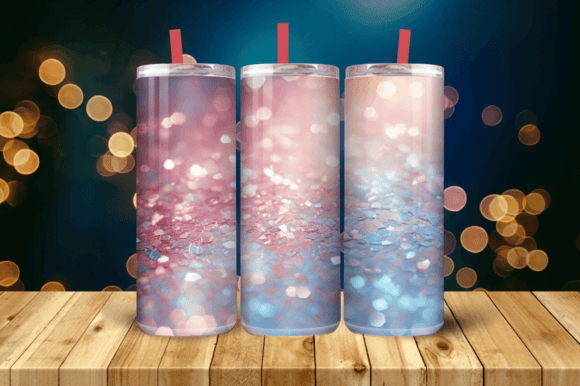
Gemstone Butterfly Tumbler
A Designer’s First Glance: Delicate, Sparkling, and Purpose-Built
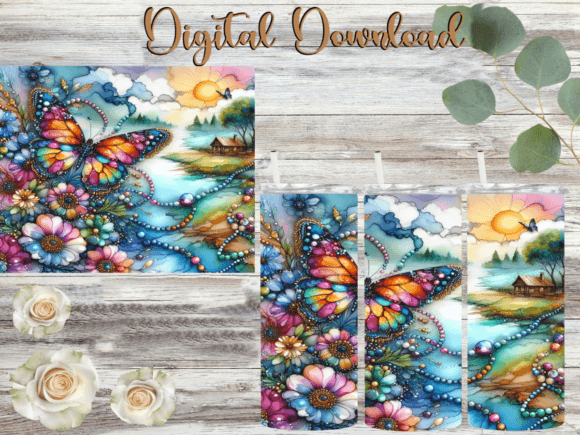
When I opened Gemstone Butterfly Tumbler, my first thought wasn’t “pretty”—it was “intentional.” This isn’t a generic butterfly silhouette with filler swirls. It’s a compact, centered motif built around gemstone-shaped facets—think amethyst, citrine, and sapphire rendered in soft, interlocking geometry. The wings have subtle contour lines, not heavy outlines, and the body is minimal but grounded. It reads as elegant rather than fussy, modern rather than vintage, and quietly luxurious without shouting. That matters—especially when you’re stitching it onto a linen tea towel for a bridal boutique or embroidering it onto a cotton baby onesie as a personalized gift.
Where It Lives Best: Real Projects, Not Just Pixels
I tested Gemstone Butterfly Tumbler across three real-use cases: a medium-weight organic cotton tote bag (for a local florist’s branded merchandise), a midweight French terry sweatshirt (custom order for a teacher’s retirement gift), and a 100% linen pillow cover (sold in my own Etsy shop). In each case, the design held up—not because it’s technically complex, but because its balance of negative space and detail works *with* fabric, not against it.
- Tote bag design: At 3.5" wide, it stitched cleanly on the front pocket area—no puckering, no thread nesting. The gemstone facets read clearly even at that scale, thanks to well-placed contrast between satin-stitched wing sections and lighter fill-stitched centers.
- Sweatshirt embroidery: On brushed fleece, I used medium cutaway stabilizer and slightly reduced stitch density in the outer wing edges. The result? Soft definition, zero shadowing, and a tactile richness customers commented on (“It feels like jewelry stitched into fabric”).
- Pillow cover: Linen’s slight slub didn’t obscure detail—the butterfly retained its crispness. Paired with tonal thread (heather grey on oat linen), it looked custom, not digital.
Where to Pause—and Why
This isn’t a one-size-fits-all embroidery file. Its charm lies in its precision, which means it asks for thoughtful execution. Here’s where I slowed down:
- Small hoop sizes: Below 4" in width, the inner gemstone facets start losing distinction. If you’re stitching on a child’s cap or narrow apron strap, consider simplifying one wing or using it as a focal point on a larger field—not the sole motif.
- Textured or stretchy fabric: On jersey or ribbed knit, the fine interior lines can blur. Use tear-away + light cutaway combo, and avoid hooping too tightly. Test first—even a 1" square tells you whether the facets will hold.
- Dark fabric backgrounds: The JPEG preview shows well on white, but on navy or charcoal, some lighter gem tones may vanish unless you adjust thread colors intentionally. Don’t assume auto-color mapping will preserve nuance.
- Frequent-wash items: Baby embroidery and kitchen towels need durability. Reinforce high-contrast areas (like wing tips) with a tiny running stitch outline if your machine allows—or choose threads rated for wash-fastness. This isn’t a high-density fill-stitch beast, so it’s inherently wash-friendly—but only if stabilized right.
What It Does for Your Craft Business—Beyond the Stitch
Gemstone Butterfly Tumbler elevates perceived value fast. On an Etsy listing for handmade embroidered tea towels, it transformed a simple kitchen item into a “curated gift” — buyers used phrases like “gallery-worthy” and “feels heirloom.” For small shop product photography, it photographs beautifully in natural light—no heavy editing needed. That’s rare for digital embroidery files, especially graphics meant for tumbler wraps (though this one transcends that category).
It also supports brand consistency. Unlike sprawling floral motifs, this butterfly doesn’t compete with logos or text—it complements them. I’ve paired it with minimalist monograms on aprons and used it as a subtle repeat accent along the hem of a nursery blanket. It reads as part of a system, not a standalone novelty.
And yes—it builds trust. When customers see clean, intentional detail in person (not just in a mockup), they believe the care extended to the design extends to their entire order. That translates to fewer returns, more repeat buyers, and word-of-mouth referrals like “She actually *stitches* the details—no shortcuts.”
Practical Notes Every Embroidery Designer Should Check
Before loading Gemstone Butterfly Tumbler into your machine or listing it in your shop:
- Test on scrap fabric—same type, same color, same stabilizer you’ll use for the final piece.
- Review stitch density in your embroidery software. If it’s dense in the gem centers, reduce by 5–10% for lightweight fabrics.
- Confirm hoop size compatibility. It scales well, but resizing beyond 150% may soften facet edges—always recheck detail integrity.
- Inspect small corners—especially wing tips and antennae. They should be sharp, not pixelated or overly tapered.
- Try black-and-white mockups. If it reads strongly in grayscale, it’ll translate reliably across thread palettes.
- Compare light/dark backgrounds. A quick side-by-side helps anticipate thread choices.
- Use proper stabilizer—medium cutaway for stable wovens, tear-away + light fusible for knits.
- Verify licensing before selling finished products or bundling it as part of a digital embroidery file pack. This JPEG is for your use—not redistribution.
Final Thought: A Quietly Confident Design Choice
Gemstone Butterfly Tumbler won’t dominate a garment. It won’t scream for attention. But it will earn quiet admiration—on a baby’s onesie folded in a boutique gift box, on the cuff of a chef’s apron, on the corner of a holiday pillow. It’s the kind of embroidery design that makes people pause, lean in, and say, “Wait—how did they do that?” That’s the mark of thoughtful graphic work translated well into stitchable form. It’s not flashy. It’s focused. And for crafters building something meaningful—not just making something fast—it’s exactly the kind of detail that lasts.